
Preaching by Steam and Lightning
Every technological breakthrough and modern invention is a gift from God, withheld for ages and brought forth in the time of the end to carry the everlasting gospel to the world and lighten the earth with His glory. [1, 2, 3] From the very birth of the Advent movement, our pioneers looked at the sudden explosion of modern technology (steam engines, cylinder printing presses, railroads, telegraphs, telephones, and automobiles) not as secular accidents, but as the finger of God preparing the highway for the Second Coming of Christ [2, 4, 5].
1. "What Hath God Wrought!" (The Prophetic Spark of 1844)
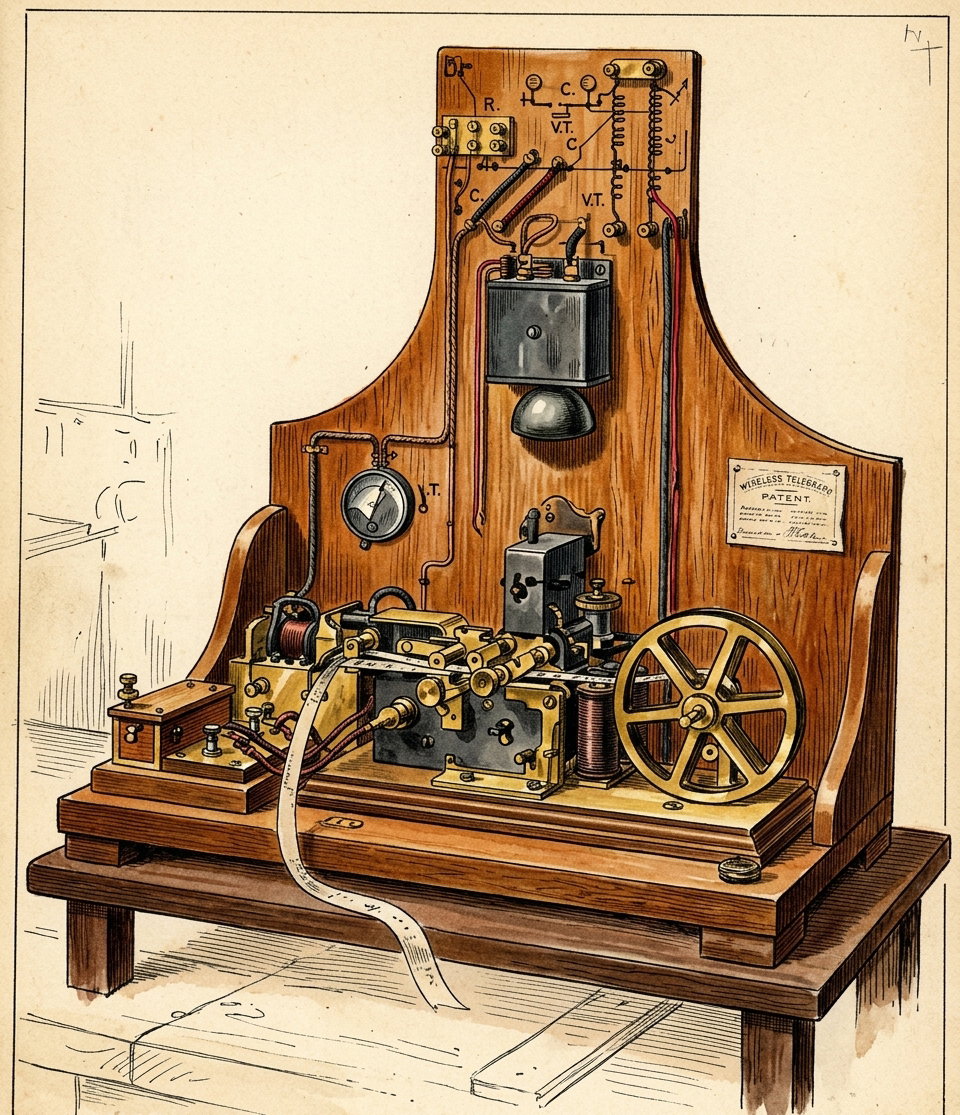
Picture the scene outside the U.S. Capitol in May 1844. A copper wire stretches thirty-eight miles to Baltimore, humming with the first long-distance electromagnetic telegraph demonstration in history. Samuel F. B. Morse, the son of preacher and geographer Jedidiah Morse, had started out as a painter before turning his mind to electricity in the 1830s. Working alongside Leonard Gale and Alfred Vail, he built a working telegraph and developed its famous code of dots and dashes.
When Morse officially opened the test line along the Baltimore & Ohio Railroad on May 24, 1844, he invited Annie Ellsworth, the young daughter of the Patent Commissioner, to choose the first message. She selected four words straight from Scripture: "What hath God wrought!" (Numbers 23:23). Days later, when news flashed back from Baltimore "with the rapidity of lightning," witnesses declared that time and space had been annihilated. Within twenty years, 100,000 miles of wire and a transatlantic cable had forever changed how the world communicated [6].
Surely there is no enchantment against Jacob, neither is there any divination against Israel: according to this time it shall be said of Jacob and of Israel, What hath God wrought!
Numbers 23:23
The first telegraphic message ever sent over the wires, was the inspired words, "What hath God wrought!"
Signs of the Times, October 4, 1910
That historic spark across the wires stood as a direct fulfillment of God's ancient question to Job [Signs of the Times, October 4, 1910] [7]:
Canst thou send lightnings, that they may go, and say unto thee, Here we are?
Job 38:35

2. Why Did God Wait So Long? The Prophetic Clock of Invention
Why did humanity travel at the speed of a horse for thousands of years, only to leap suddenly into the age of steam, electricity, and instant global communication [5, 8]? Through the prophet Daniel, God foretold this exact surge of rapid travel and shared knowledge for the "time of the end" (Daniel 12:4), so that the gospel of the kingdom could be preached as a witness unto all nations before the end comes (Matthew 24:14) [2, 4].
But thou, O Daniel, shut up the words, and seal the book, even to the time of the end: many shall run to and fro, and knowledge shall be increased.
Daniel 12:4
The tidal wave of ingenuity and progress that has swept over the world in the past ten decades, came not by chance. It is here in response to the call of God to bring into service every conceivable agency for the speedy finishing of His work on the earth. In unmistakable language God has predicted it. "Many shall run to and fro, and knowledge shall be increased."
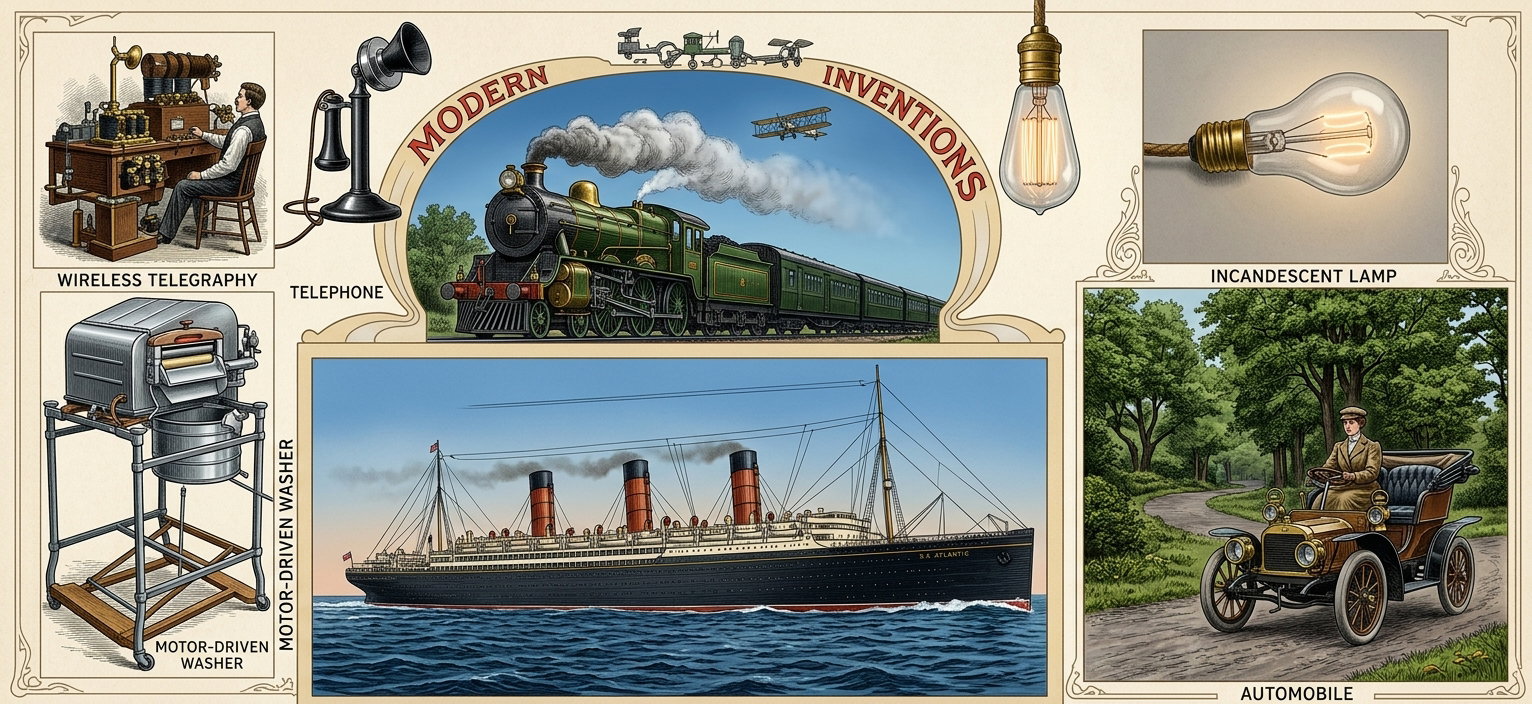
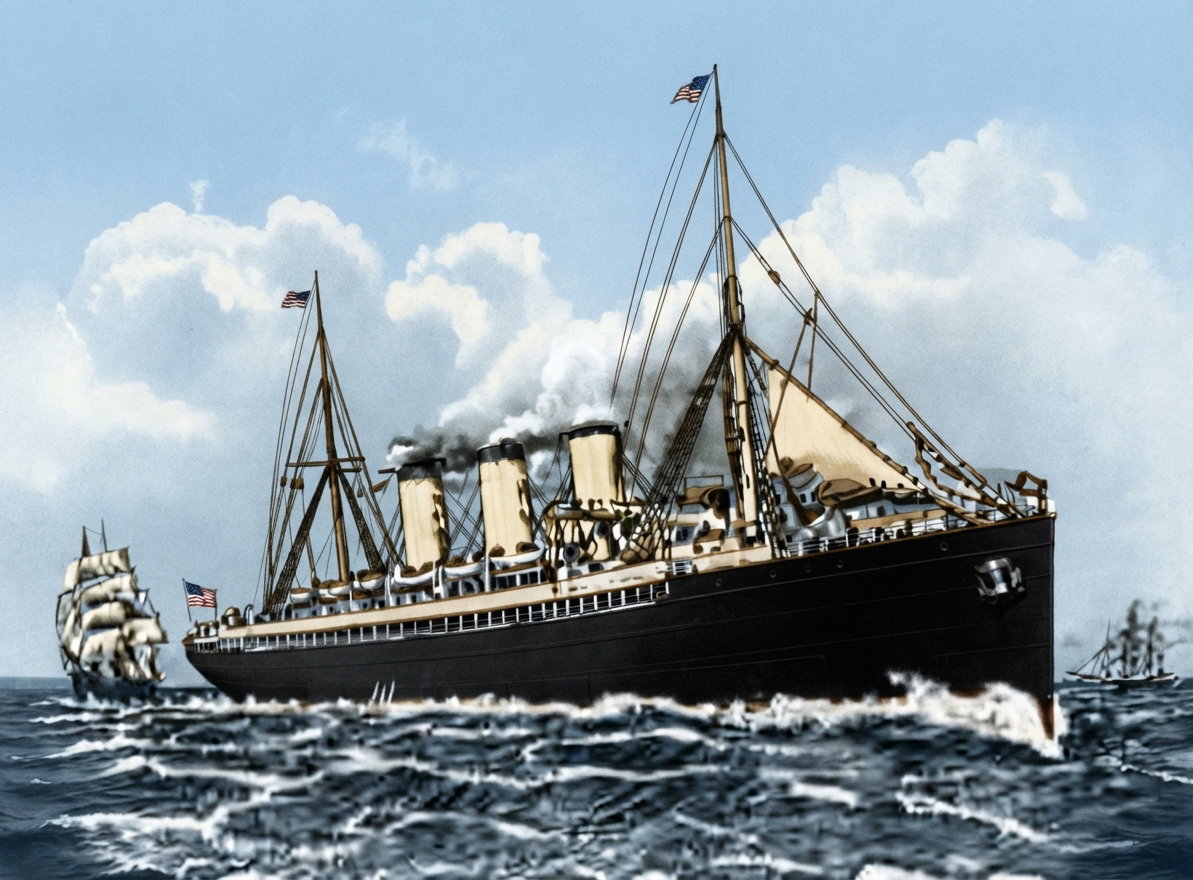
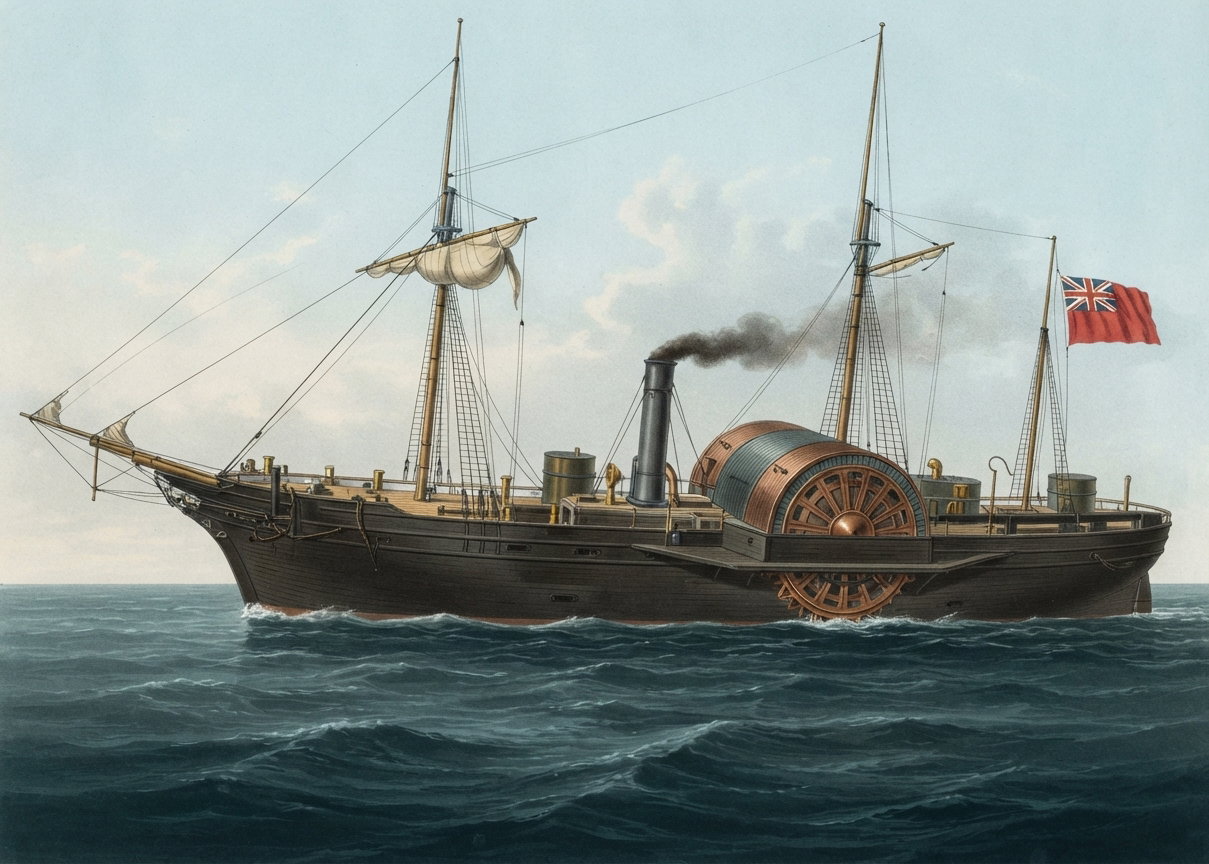
How complete is the preparation for the world-wide work! Steel rails span every continent. The printing press is flooding the world with literature in every language. The universal postal systems spread the glad tidings. Ocean greyhounds of marvelous size and speed throng every sea, with gospel messengers aboard.
Motor cycle and automobile shorten the work of the missionary, while the telephone and the telegraph have drawn the ends of the earth together. The whole world has been made accessible. Ample provision has been made for the preaching of the gospel of the kingdom just before the end.
Signs of the Times, Harvest Ingathering Number
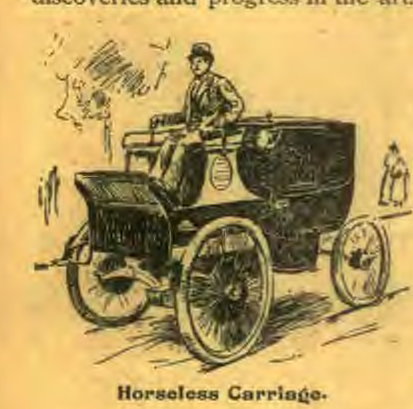
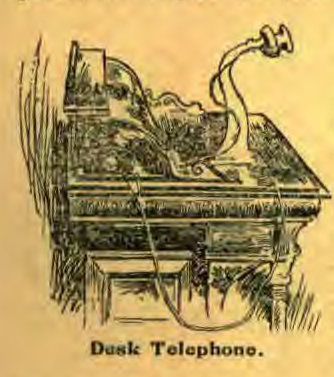
No scientific principle is ever new to the Creator. The same God who gave Bezaleel and Aholiab wisdom to craft the wilderness sanctuary (Exodus 31:1-11; Exodus 35:30-35) and Hiram skill to cast the brass of Solomon's temple (1 Kings 7:13-51) has always held the secrets of nature in His hand [Signs of the Times, April 2, 1902] [1]. Knowing that human beings would pervert scientific skill to selfish ends, the Lord deliberately held back the floodgates of invention until the last days, when He promised to finish His work and cut it short in righteousness (Romans 9:28) [Signs of the Times, June 27, 1900; April 2, 1902] [1, 9].
The Lord has all the time known this tendency of the natural man, and withheld much inventive skill until the last days,—for the time of which He says that “He will finish the work, and cut it short in righteousness; because a short work will the Lord make upon the earth.”
The spirit of invention which has brought forth the modern facilities for travel and quick communication with all parts of the earth, together with machinery for the production of literature containing the Gospel of salvation, and the manufacturing of appliances for a quick work, was given to men for a specific purpose, for finishing the Gospel work.
Signs of the Times, April 2, 1902
As Augusta W. Heald pointed out in 1902, the latent forces of vanishing vapor and fiery lightning were brought under human control at this exact moment in history to fulfill the prophetic call of Matthew 3:3: "Prepare ye the way of the Lord, make his paths straight" [Signs of the Times, July 16, 1902] [5].
Why were the wonderful sciences of steam and electricity hidden for ages, to be thus suddenly developed in the latter half of the nineteenth century?—Because they are now fulfilling the word of prophecy.
Signs of the Times, July 16, 1902
More than a century and a half earlier, Sir Isaac Newton had studied the prophecies of Daniel and predicted that before the rapid proclamation of the gospel to the world, human travel would reach fifty miles an hour. The skeptic Voltaire ridiculed Newton, claiming the Bible had addled his intellect until he talked like a fool. Yet both Newton's expectation and Nahum's ancient prophecy of flaming, lightning-swift chariots in the day of God's preparation (Nahum 2:3-4) were fulfilled before our very eyes [Review and Herald, August 4, 1910] [8].
The chariots shall rage in the streets, they shall justle one against another in the broad ways: they shall seem like torches, they shall run like the lightnings.
Nahum 2:4
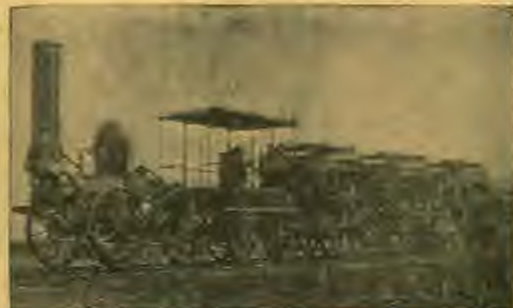
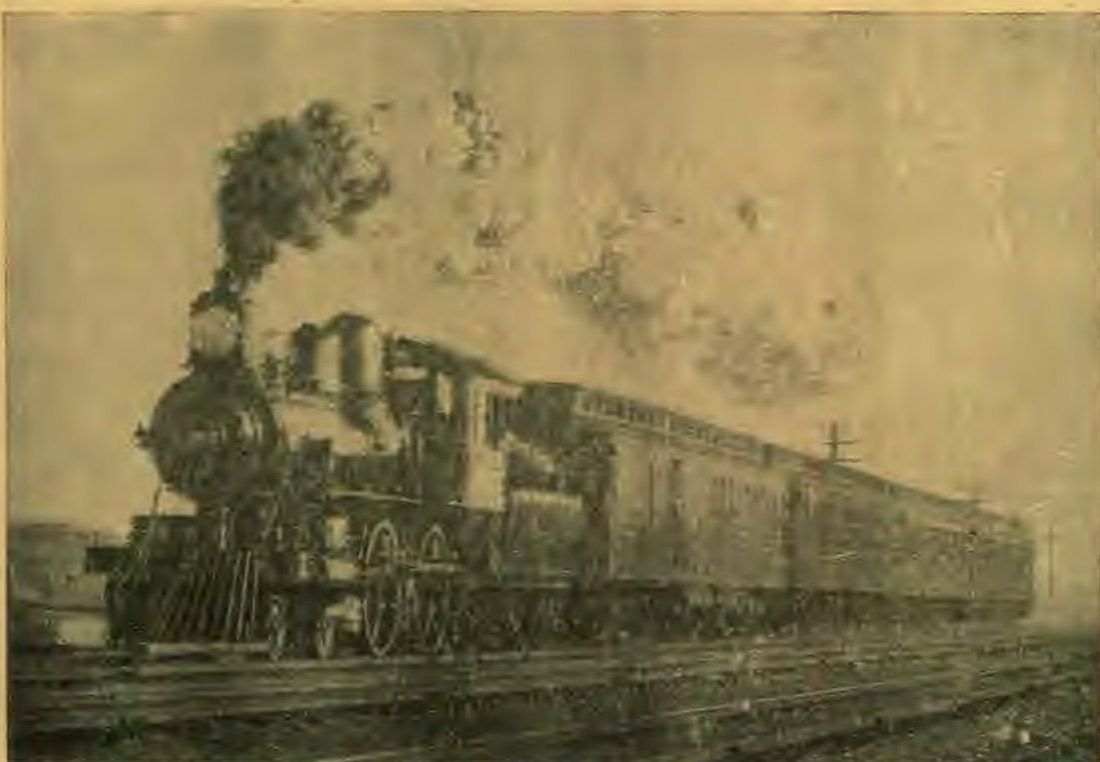
The railroad train, the steamship, the telegraph, the telephone, the printing-press, the mail service,—all these, and other means, have been brought into existence for the giving of the last message. Let us utilize these agencies to the utmost in the fulfilment of the great commission.
Review and Herald, August 4, 1910
3. From Luther's Ink-Bottle to "Preaching by Steam"
When God brought forth movable type in the fifteenth century through Laurence Coster and John Gutenberg to break the darkness of the Middle Ages, Martin Luther hailed the printing press as God's latest and greatest gift for advancing the gospel [Review and Herald, November 4, 1909; Signs of the Times, June 6, 1916] [10, 11]. Legend tells of Luther hurling his ink-bottle at the devil in the Wartburg castle, yet it was the printing press that kept hurling ink at Satan's strongholds across Europe [Review and Herald, November 26, 1908] [12, 13]. While papal authorities tried to chain printers and burn books, the presses kept running; as E. K. Palmer observed in 1909, whenever one reformer was silenced, the printed page caused a score of new lights to blaze out across Europe until the papal throne itself trembled [Signs of the Times, August 13, 1885; Review and Herald, June 3, 1909] [14, 15].
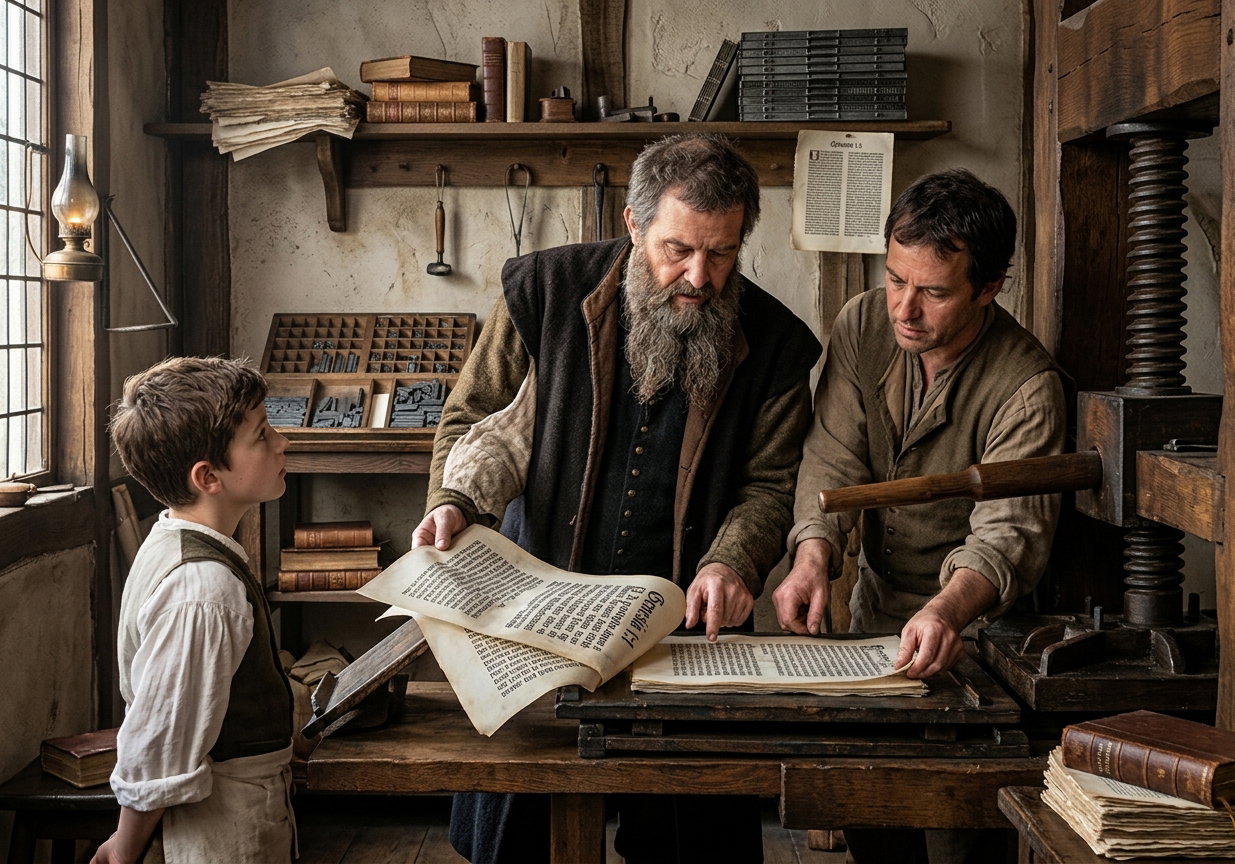
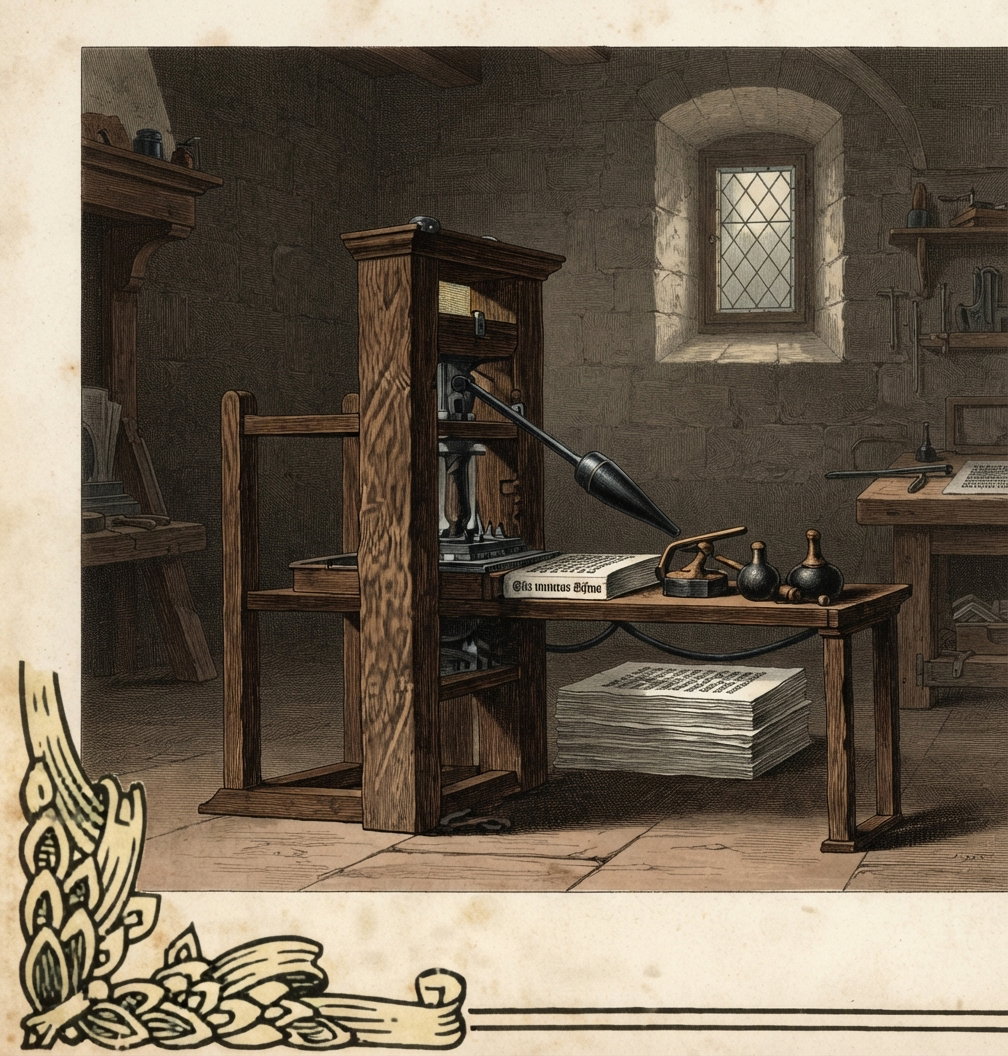
The printing-press has for centuries been hurling ink-bottles at the many fortifications which Satan has erected in this world, and clearing the highway for the coming of the Lord.
This literature in the hands of the students from the more progressive evangelical schools, like Wittenberg, soon became a power which enabled the gospel to gain a foothold in every country of Europe, and accomplished more than all other agencies combined in making possible the great Reformation of the sixteenth century.
Review and Herald, November 26, 1908

The contrast between the Middle Ages and the industrial era is staggering. In the year 1272, a laborer earning three half-pence a day had to give the entire wages of thirteen years to buy a single hand-written Bible (£30 sterling). By 1856, a working man could buy a printed Bible with a single day's earnings [Review and Herald, July 10, 1856] [4]!
Who, when he looks over the present age of Railroads, Steamboats, Printing Presses, and Magnetic Telegraphs, can doubt that we are now in the "time of the end," and that the above prophecy is having its fulfillment.
An ordinary clerk cannot make a fair manuscript copy of the Bible in less than three months. With a common printing-press, work equivalent to printing a copy of the whole Bible can be done in ten minutes; and with a steam-press of the most improved construction, the same work can be done in one minute.
"Christian reader, why was it that God, in his providence, reserved the discovery of the art of printing till the age of the Reformation? and why is it that even the power of the press has been multiplied threefold in the age of Bible and Tract Societies? Is it not that his people may at once proclaim the message of his love to all who know it not?
Woe be to us, if, with such a power placed in our hands, we fail to improve it."
Review and Herald, July 10, 1856
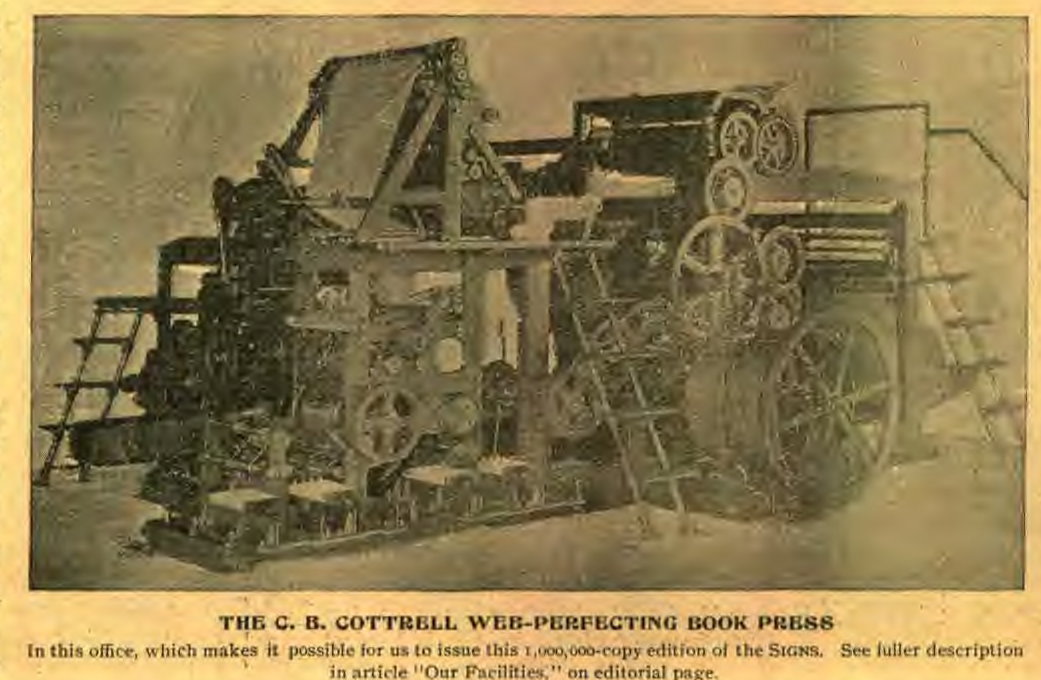
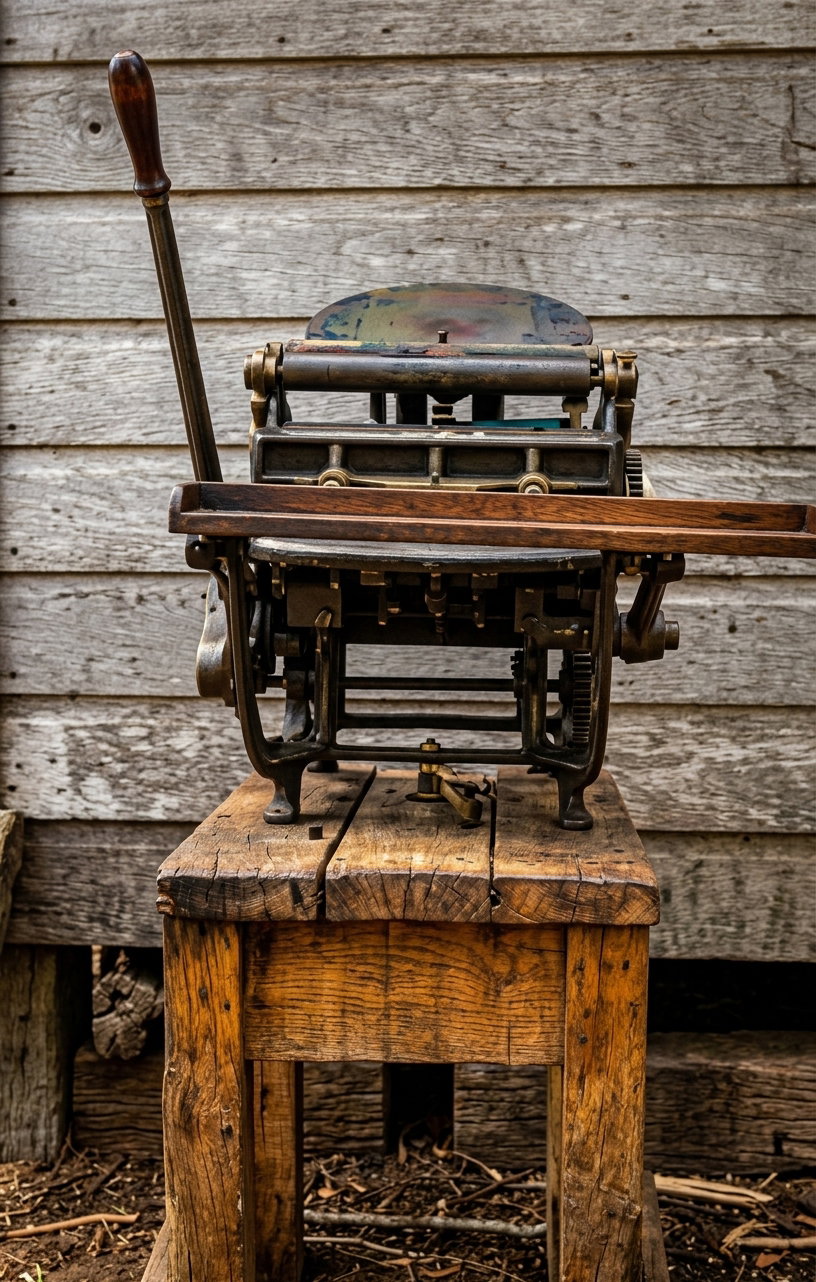
Our own publishing work began just as humbly. When Seventh-day Adventists printed the first issue of Present Truth, the entire edition was carried to the post office in a single carpet bag, as R. F. Cottrell recalled [Review and Herald, July 26, 1877] [16]. Soon the believers acquired a Washington hand-press, but pulling that lever by muscle alone was literally exhausting the pressmen. As James White reported in 1857, the first pressman bled at the lungs, T. B. Mead had to leave after spitting blood, and Brother Belden had to stop repeatedly for the same reason [Review and Herald, March 19, 1857] [18]! Stepping out in faith that same year, the pioneers purchased an Adams steam power-press [Review and Herald, March 25, 1909] [16, 17]. By 1870, W. H. Littlejohn marveled at what God had placed in the hands of a movement of fewer than 15,000 members [Review and Herald, November 1, 1870] [19]. As the work grew, the publishing houses added electrotyping, stereotyping, photo-engraving, linotype machines, folders, and wire stitchers, running day and night, and even printing 50,000 copies of Christ's Object Lessons to lift the debts of our schools [20, 21, 22, 23].
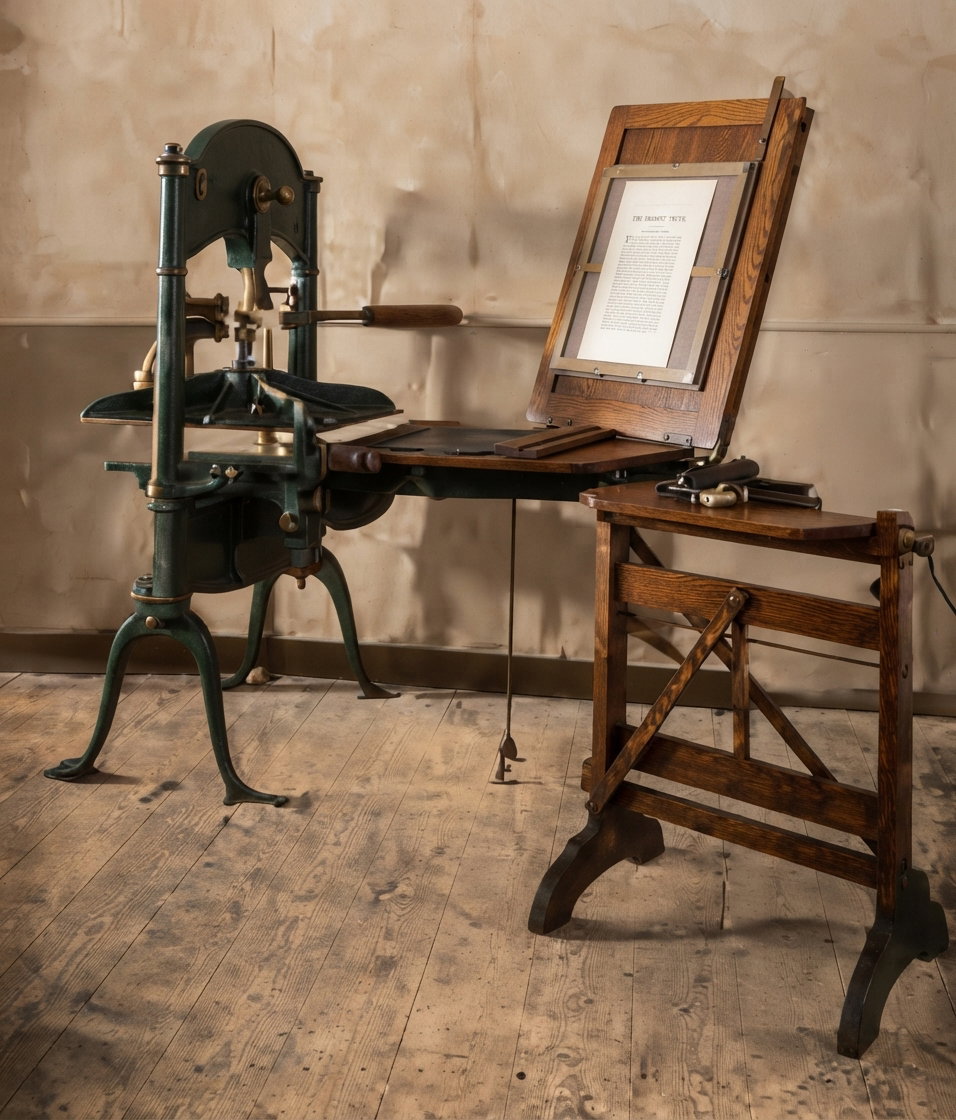
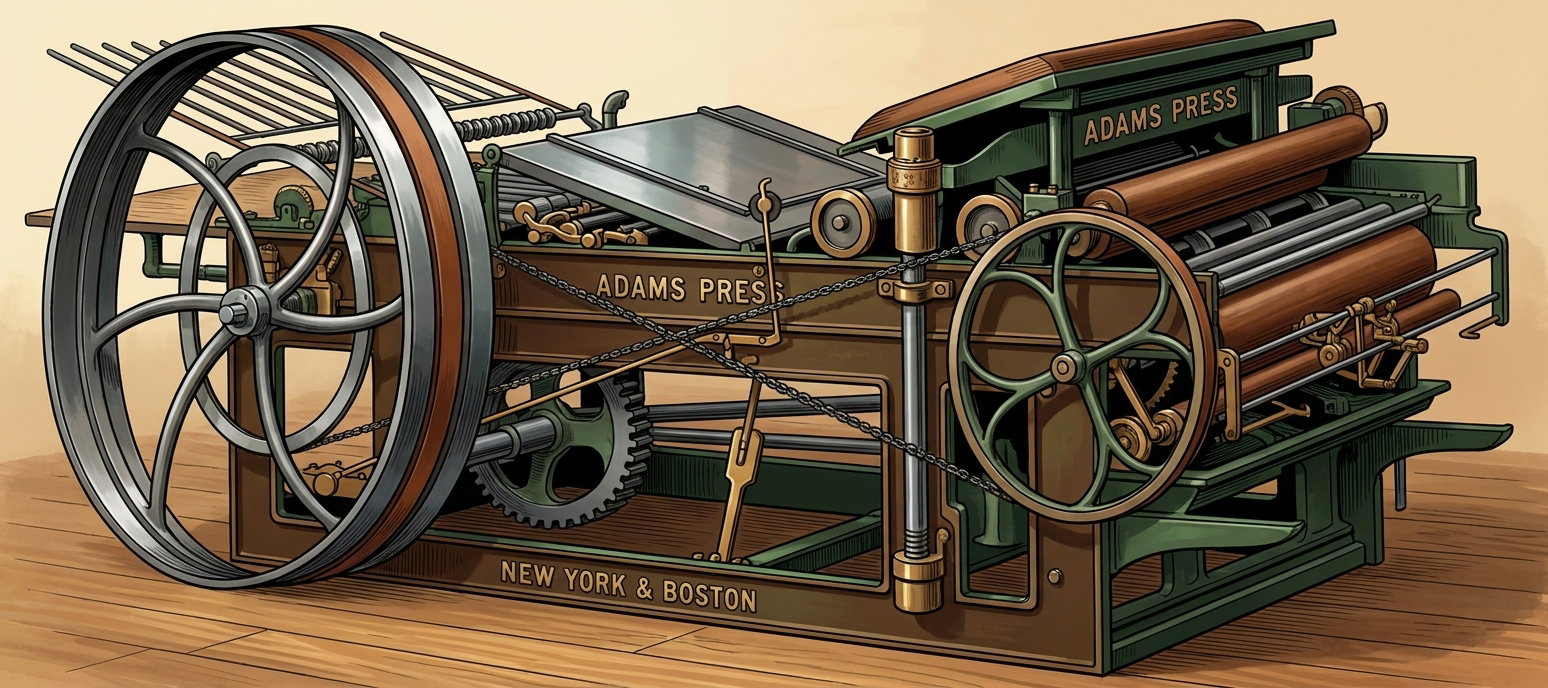
The same hand which has led out a people from the mazes and mysticisms of modern theology, knowing that their work must be very extended and very brief, has, in the art of printing, in its present perfection, furnished them with every facility necessary for the accomplishment of their task.
Already with our steam power press we are able to produce nineteen, neatly executed, thirty-two page tracts, in each minute, at a cost of not over two dollars per hundred.
Review and Herald, W. H. Littlejohn, November 1, 1870
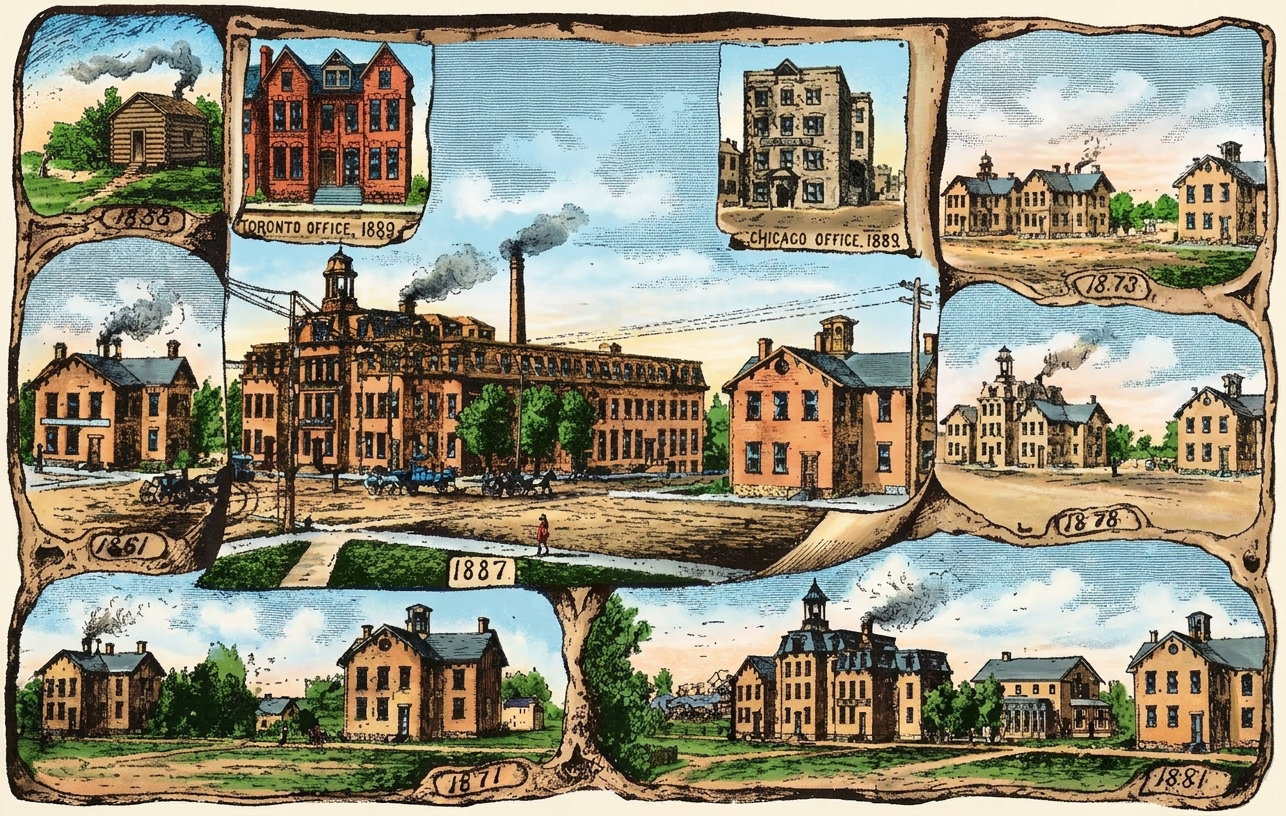
When the publishing work crossed the continent to Oakland, California, in 1876, James White rejoiced that the message was now "preaching by steam" on the Pacific coast, and two years later celebrated how steam both printed the message and carried its messengers at two hundred miles a day [Review and Herald, March 30, 1876; March 14, 1878] [24, 25].
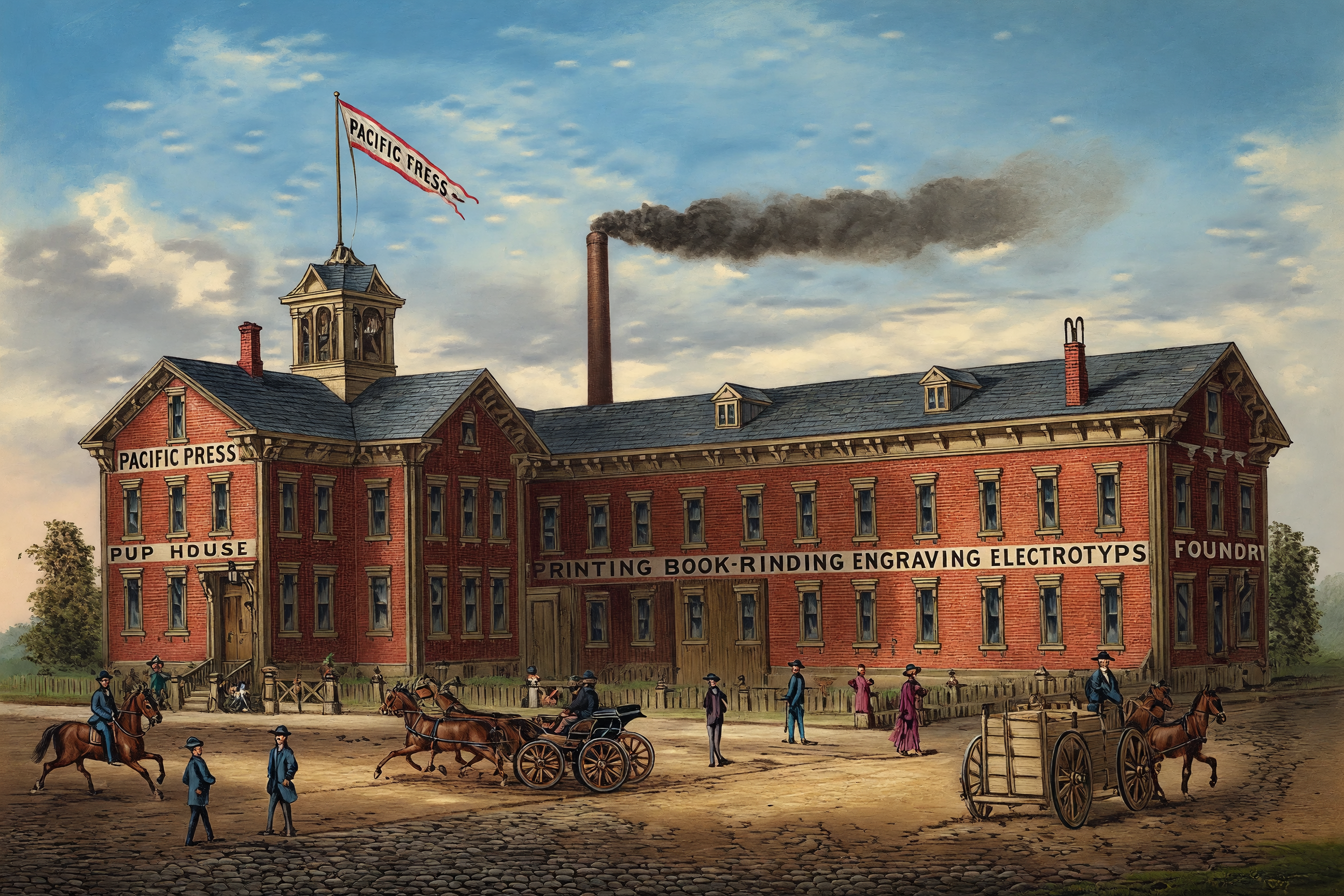
Besides the issue of the SIGNS, our California steam press has printed, during the past four months, more than three tons of tracts and pamphlets, containing the most valuable matter for our people at this time.
The idea is truly grand, that an unpopular message of Bible truth, which was first held by a few humble persons on the shores of the Atlantic a few years since, has passed across the continent, gathering strong and devoted friends at every step, and now is being preached by steam on the Pacific.
Review and Herald, James White, March 30, 1876
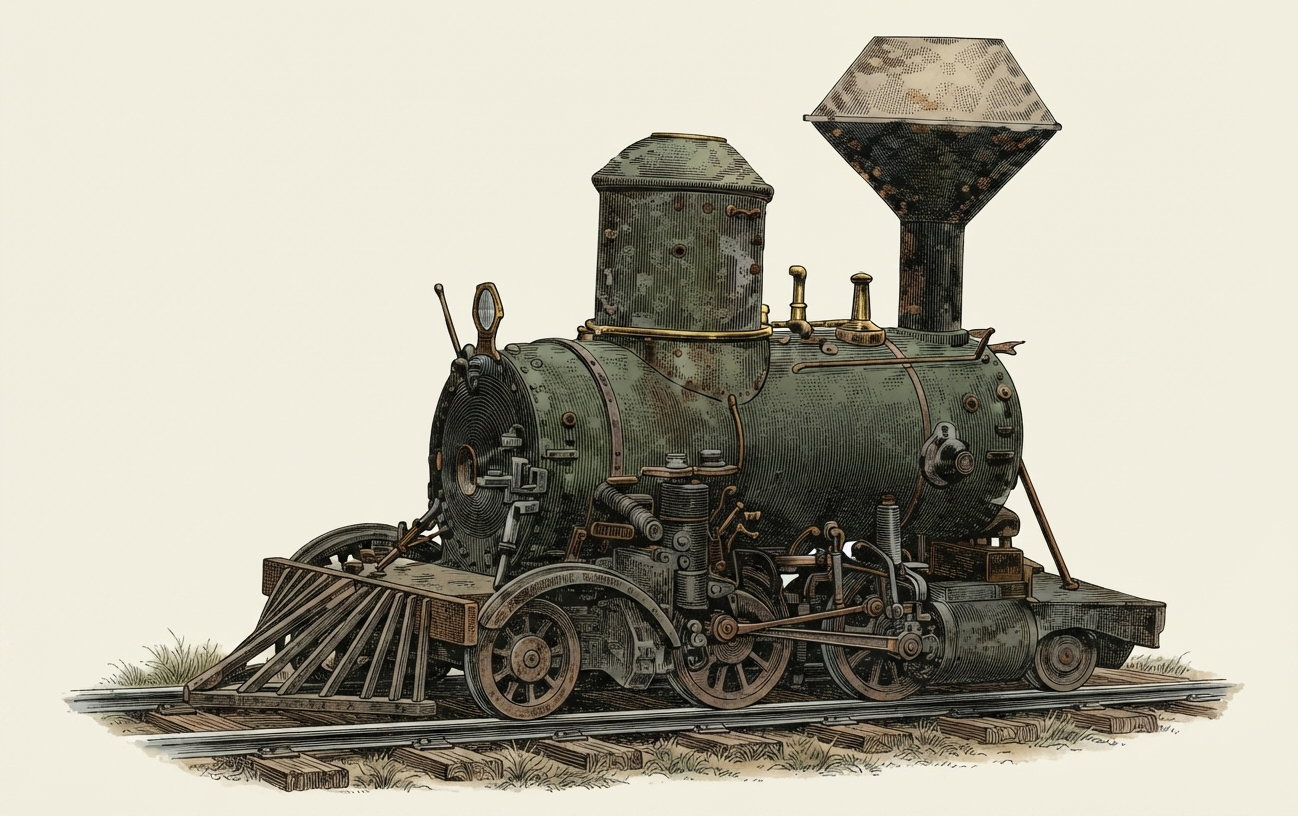
One of the greatest levers of the age to lift along society is steam, and thank God that it can be utilized in preaching the last message. Why go on foot twenty miles per day when the cars, impelled by steam, will take you two hundred?
Review and Herald, James White, March 14, 1878
4. Answering the Critics: "The Bible Says Preach, Not Print!"
Not everyone welcomed new technology and organization [26, 27]. In 1860, when critics objected that Scripture gave no specific pattern for organizing publishing associations, issuing a weekly paper, or buying a steam press, James White answered from Matthew 5:16 ("Let your light so shine before men"), showing that the church is duty-bound to use every means that advances the truth unless forbidden by God's Word [Review and Herald, April 26, 1860] [27]. Later, other objectors protested, "The Bible says, 'Preach the gospel;' it does not say, Print it in a paper!" Yet the Greek word kerusso in Mark 16:15 means to publish and proclaim openly. Ironically, the very people making that objection only knew Christ's command because the disciples wrote it, scribes copied it, and printers printed it [Signs of the Times, September 29, 1881] [26].
And he said unto them, Go ye into all the world, and preach the gospel to every creature.
Mark 16:15
The word rendered "preach," in Mark 16:15, is kerusso, and is defined by Robinson in his Greek Lexicon of the New Testament: "To proclaim, to announce publicly, to publish." Greenfield says: "To publish, proclaim, announce openly and publicly." With this agree all the Lexicons. The interlinear rendering of the word in the Diaglott is "publish."
This commandment may be fulfilled by making known the gospel in any manner whatever. It may be obeyed by a mute person, who cannot speak a word. A preacher may continue to proclaim the gospel after he has lost the power of speech; and he may preach more efficiently without speaking than by speaking, by a judicious use of the appropriate means.
Signs of the Times, September 29, 1881
5. What If the Apostle Paul Had a Five-Cent Stamp? Global Mission by Rail, Mail, and Press
Scripture urges us, "As we have therefore opportunity, let us do good unto all men" (Galatians 6:10). Imagine what the Apostle Paul, chained in his Roman prison, would have done with steam transit and international postage [Signs of the Times, December 8, 1887] [28]!
Suppose that Paul, while a prisoner at Rome, had enjoyed our opportunities of communication—that he could have mailed a letter to any place in the Roman Empire, and known that it would be taken there as fast as steam could carry it and promptly delivered at the cost of an obolus—the Athenian three-cent piece.
Opportunities are providential. God gives them on purpose that the progress and triumph of his gospel may be hastened. The printing press, the steam-car, the steam-ship, and the international postal service are divine arrangements for facilitating the work of the church.
Signs of the Times, December 8, 1887
Creative Mission Uses
Once believers saw these inventions as providential tools, they put every one of them to work in creative ways. In 1875, Dudley Marvin Canright used ultra-fine "nonpareil" and "agate" type to print entire sermons on the Sabbath and the state of the dead onto half-cent postal cards that any church member could drop in the mail to a friend [Signs of the Times, March 25, 1875] [29]. Along the Pacific Coast, workers placed doctrinal articles straight into secular daily newspapers, bringing scores of readers into the truth and prompting interested seekers to telephone conference offices for Bible studies [Review and Herald, October 2, 1913; May 27, 1915] [30, 31].
New transit lines shrank both continents and oceans. Where bundles of papers from Battle Creek once took five weeks to reach California by way of Panama, the transcontinental railroad brought them in just six days (shortening the journey by the equivalent of 2,000 miles), as J. N. Loughborough marveled in 1875 [Signs of the Times, July 29, 1875] [32]. Within twenty-five years, as Stephen N. Haskell noted, the work had grown from a single hand-press in a rented room to power presses capable of flooding North America and Europe with truth inside of two weeks [Review and Herald, April 8, 1875; Signs of the Times, June 25, 1885] [33, 34].
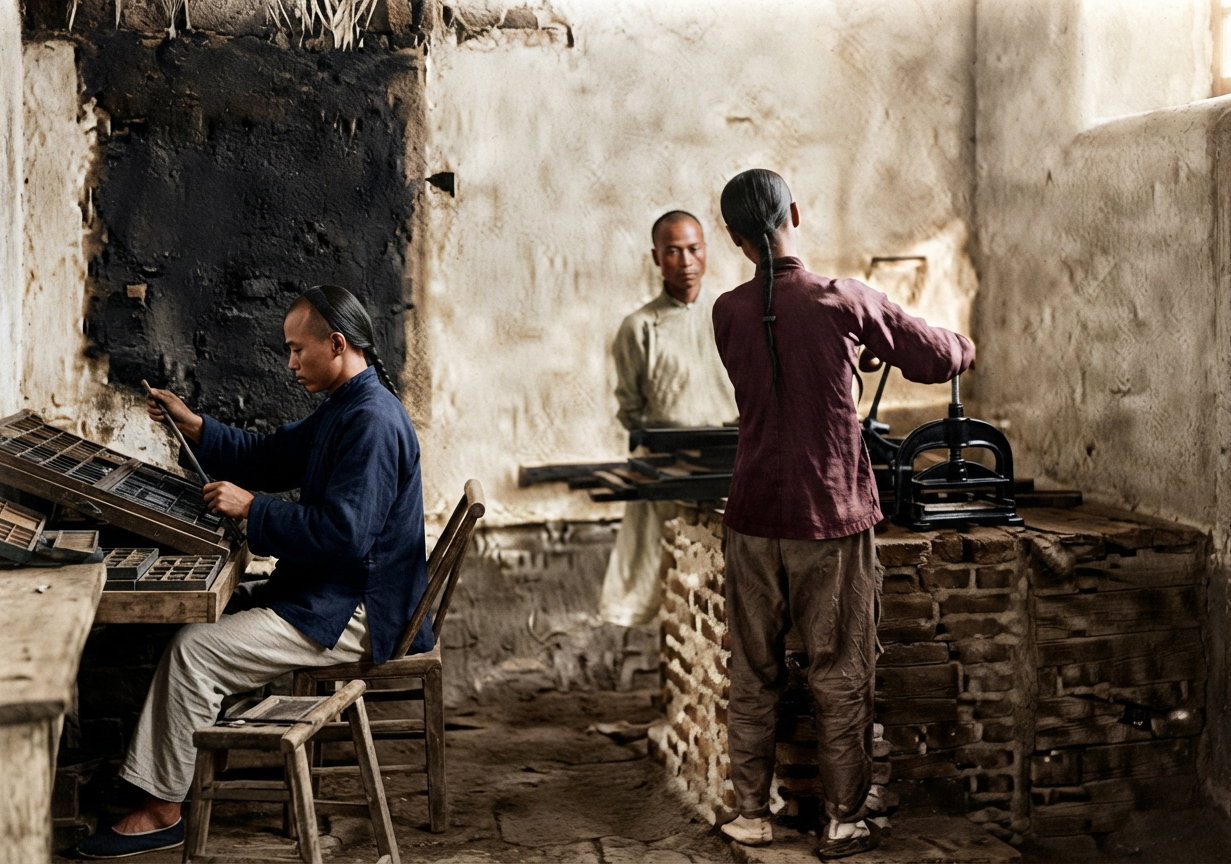
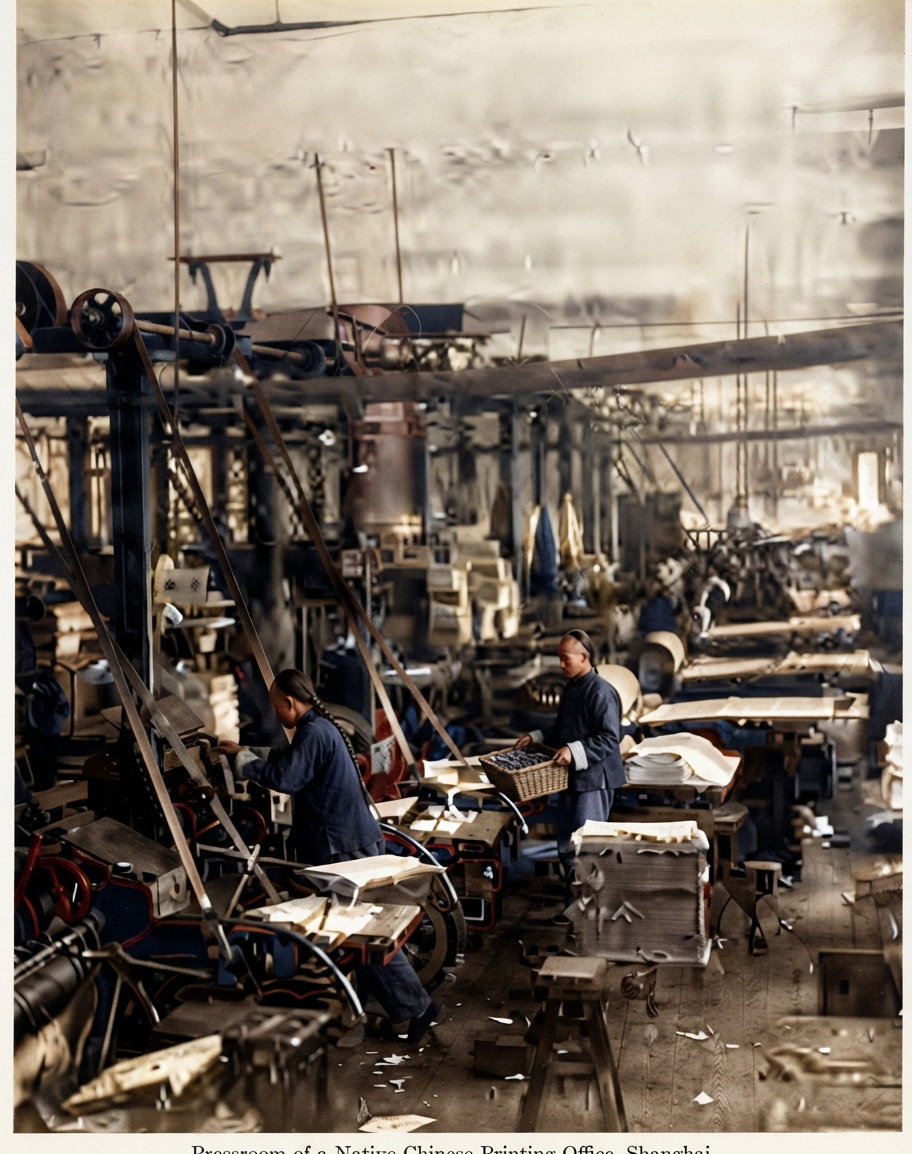
From the Pacific Press in California and the Southern Publishing Association in Nashville to mission presses overseas, the message soon encircled the globe [13]. The Pacific Press Board dedicated a tithe of its net profits to buy printing machinery for foreign missions [Review and Herald, February 16, 1911] [35]. John Nevins Andrews set up French, German, and Italian type in Europe [Signs of the Times, April 25, 1878] [36]; steam and electric cylinder presses and book-sewing machines multiplied literature sales across India and South America [Review and Herald, November 21, 1907; August 19, 1909; March 23, 1916] [37, 38, 39]; and a London-built press traveled up the Nile to Beirut to print tens of millions of pages of the Arabic Bible [Signs of the Times, June 26, 1901] [40]. In Buresala, Fiji, after a small press from Oregon launched the Fijian paper Rarama, C. H. Parker stood behind that original hand-press as a pulpit to preach from Zechariah 4:10 ("For who hath despised the day of small things?") when larger equipment arrived [Review and Herald, October 24, 1907; November 26, 1908] [41, 42]. Meanwhile in China, where printing itself originated, modern cylinder presses in Honan and Shanghai reached a monthly circulation exceeding 60,000 copies, while steamships, transcontinental railways, autocars, electric streetcars, and telegraphs across Asia opened whole nations to the gospel [Review and Herald, July 25, 1907; March 23, 1911; August 26, 1915; April 20, 1916; Signs of the Times, October 30, 1907; May 6, 1913] [43, 44, 45, 46, 47, 48].
The printing invention is doubtless one of God's special agencies designed to serve his purpose in carrying the final message of salvation to the ends of the earth.
It is doubtless the most economical means of preaching the truth, and with the least effort it can become the most pervasive. By this means all our workers, and even our lay members can be fully enlisted, and so a perpetual campaign can be carried on.
Review and Herald, J. N. Anderson, July 25, 1907


6. From Steam Engines to Artificial Intelligence: The Fourth Angel of Revelation 18
As early as 1862, Uriah Smith connected the adoption of cutting-edge scientific improvements directly to the fourth angel of Revelation 18:1, the angel who descends with great power and lightens the whole earth with his glory [Review and Herald, August 19, 1862] [3]. Forty years later, in 1902, Arthur G. Daniells looked at the global web of presses, railways, cables, telegraphs, and telephones wrapping the planet, and declared that God will lay His hand upon every one of these facilities to finish His work with great power [Review and Herald, April 8, 1902] [56].
And after these things I saw another angel come down from heaven, having great power; and the earth was lightened with his glory.
Revelation 18:1
We do indeed believe that time is short, and that the end of all things is at hand; but we believe also that a mighty work is to be accomplished in the short time that intervenes. This work is expressed in the imagery of inspiration, by an angel coming down from heaven, and the whole earth being lightened with his glory. This means something more than that believers in present truth are to content themselves with a limited sphere of action.
It denotes a greater work than that of individual preparation. It brings to view a work in which it will become those who are engaged therein, to make use of every improvement, and every convenience, which the science and ingenuity of the present age have brought to the knowledge of man.
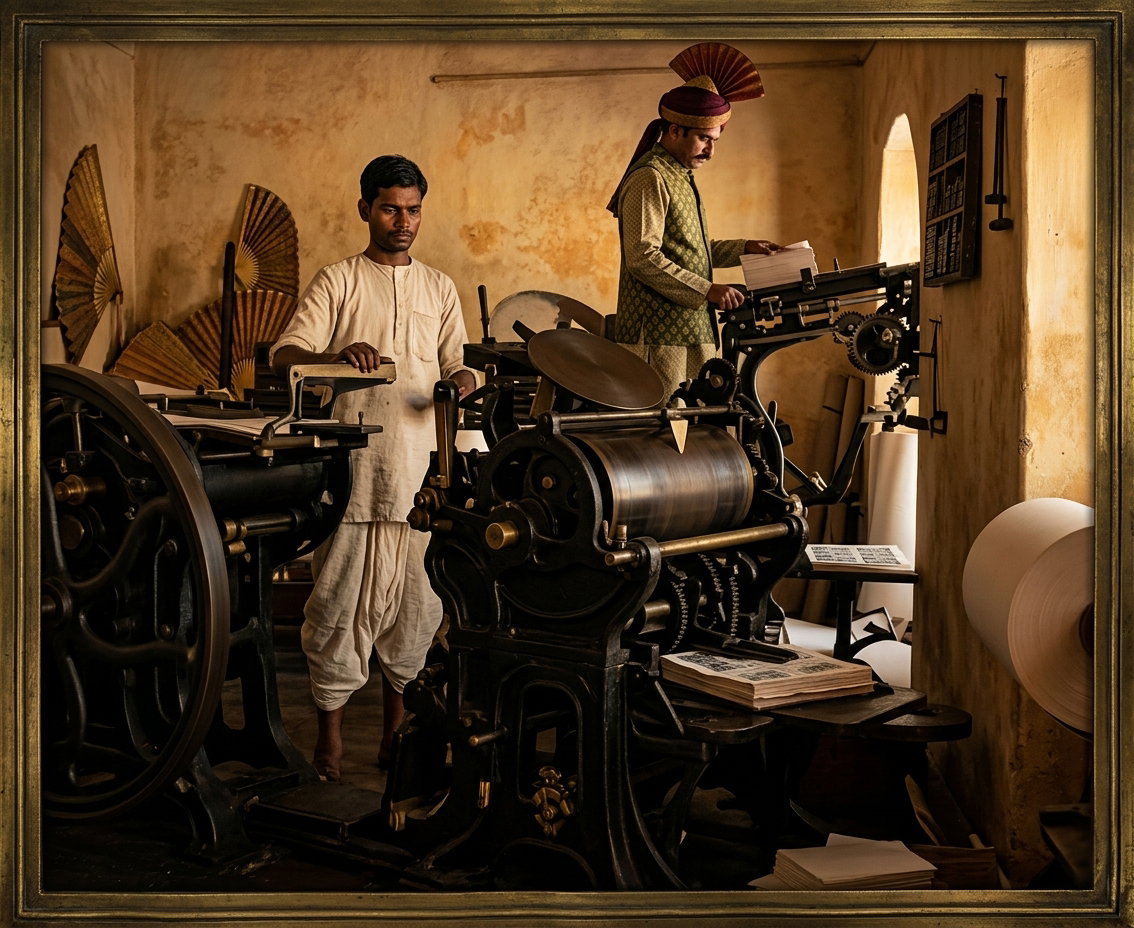
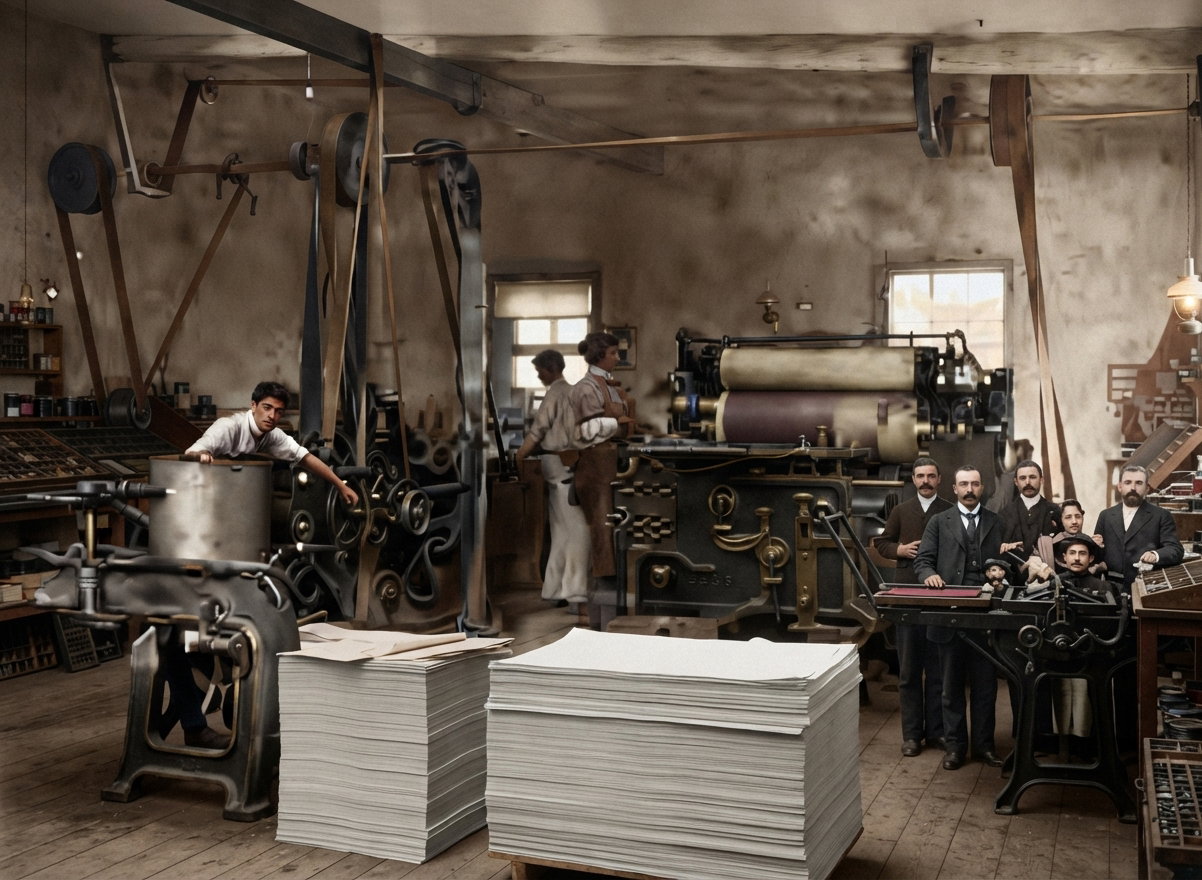
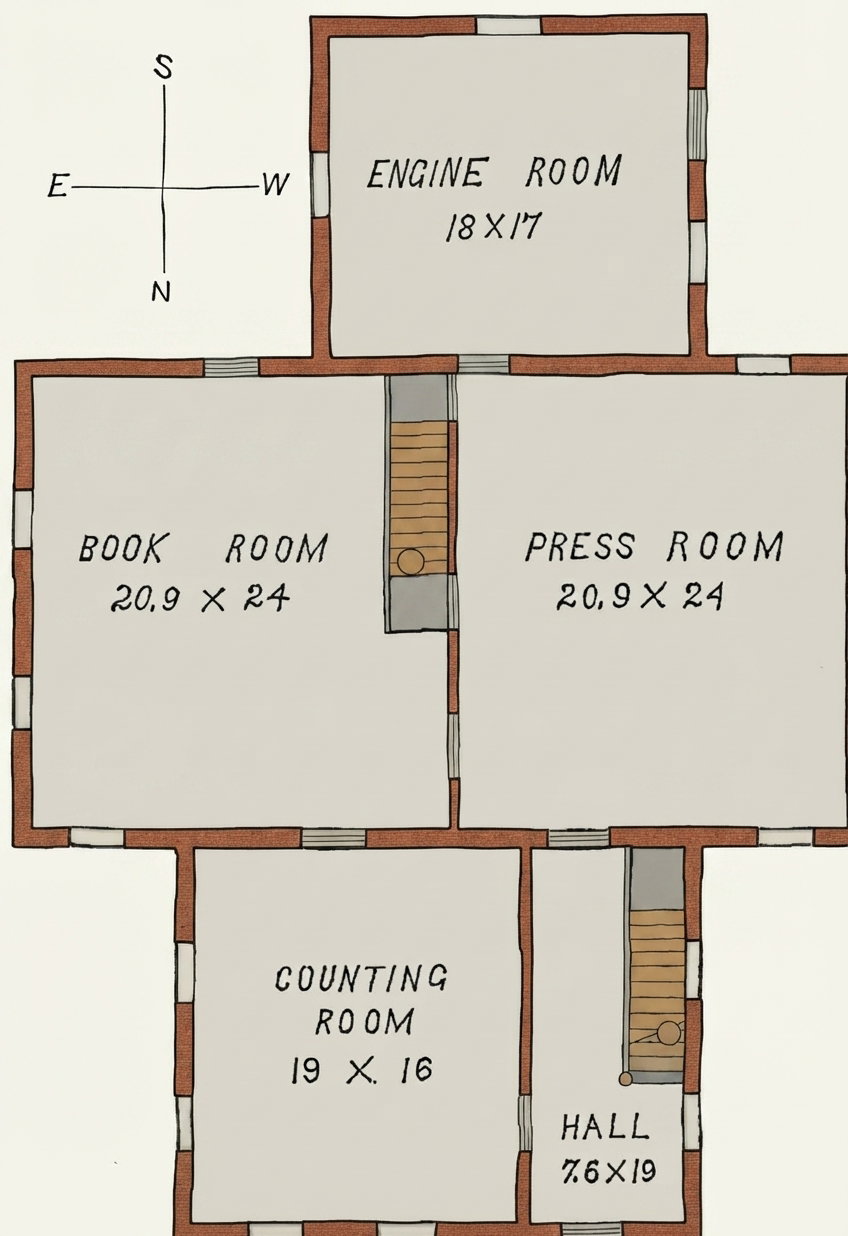
Yes, sir, would be our reply, and it is for this very reason that you see here this substantial building, with its airy and convenient rooms, the best style of power-press that the country affords, the steam engine, and all the machinery necessary for the successful prosecution of the work in the publishing department.
Review and Herald, Uriah Smith, August 19, 1862
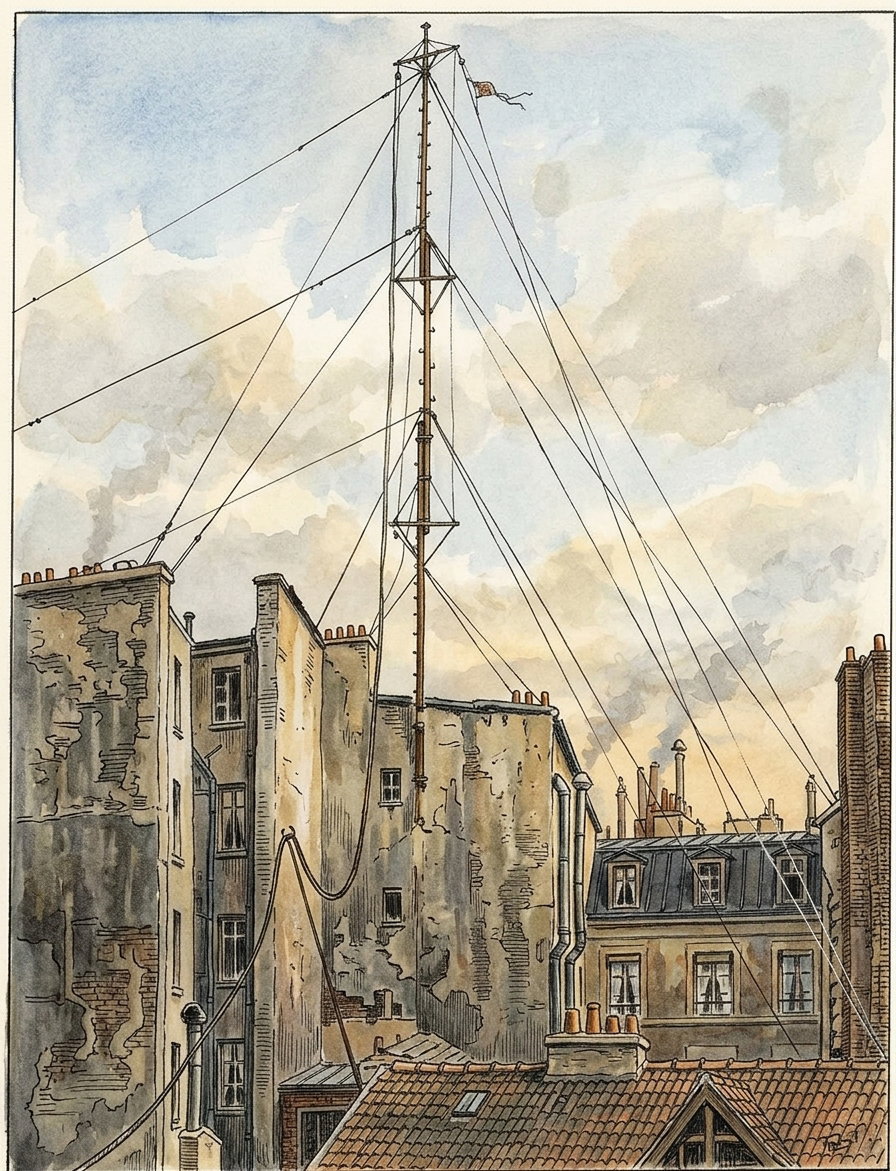
The electric telegraph, cable, and telephone lines have not been wrapped around the world simply for the rapid transit of war intelligence or the condition of the stock exchange. All these facilities are to serve a higher purpose than the world recognizes. Every one of them is a factor for God's use.
He will yet lay his hand upon all of them, and use them to great advantage and with great power in closing up his work. Nor will it take the Lord long to do this when his people are ready.
Review and Herald, Arthur G. Daniells, April 8, 1902
How AI and Modern Technology Fulfill This Vision Today
When S. M. Spicer visited the Battle Creek publishing house in 1876, he marveled at the "almost intelligent play of complicated machinery" as steam-powered presses rapidly prepared the printed page [Review and Herald, July 13, 1876] [55]. If a nineteenth-century cylinder press seemed almost intelligent to our pioneers, imagine what they would say if they could see the tools in our hands today.
Over the past few decades, the publishing ministry has stepped beyond ink and paper without ever leaving its mission behind. First came personal computers, which turned months of tedious typesetting and layout into the work of a single afternoon. Then came the internet, wrapping the globe in an invisible network far vaster than Morse's telegraph wires or the undersea cables of 1900. With the rise of smartphones and mobile devices, the printing press effectively moved into the pocket of nearly every person on earth. A seeker in a remote village or a crowded city can now open a phone in the middle of the night and read the Bible, study the Spirit of Prophecy, or watch a sermon in their own language, even in places where a colporteur could never set foot or where printed books are restricted.
Now, Artificial Intelligence has arrived as the newest extension of this same publishing work. Just as the steam press, the linotype, and the telegraph fulfilled Christ's command in Mark 16:15 (kerusso, to publish and proclaim the good news by every available means), modern AI tools can help us search vast libraries of pioneer writings and Scripture in seconds, translate truth across hundreds of languages, and place clear, faithful answers straight into the hands of people who are searching for light (Revelation 14:6; Revelation 19:10; Daniel 12:4) [Signs of the Times, September 29, 1881; Review and Herald, October 28, 1909] [2, 26, 57]. What once required years of indexing or teams of translators can now be prepared and shared around the world in moments.
Of course, technology itself is never our savior. At the same time that we use every new tool, we should never trust in machinery above the living God [Review and Herald, September 13, 1906] [51]. Because all inventive genius comes from the Creator, and because the enemy of souls is always quick to twist new inventions for distraction and ruin, God's people cannot afford to sit back and leave the most powerful communication tools in history to be monopolized by the adversary [Signs of the Times, June 27, 1900; April 2, 1902; October 26, 1904] [1, 9, 49]. Instead, we are called to consecrate them to finish the work and cut it short in righteousness (Romans 9:28).
Some have called God's people "His great electrical plant" to light a dark world, using increased knowledge and the rapid transmission of truth to herald the King of kings (Revelation 18:1; Revelation 19:16) [Review and Herald, February 26, 1901] [58]. When our use of computers, mobile networks, the internet, and AI is bathed in what Spicer called the "breathings of prayer" and guided by the Holy Spirit, these modern inventions become instruments in God's hand to speed the everlasting gospel and lighten the whole earth with His glory [Review and Herald, August 19, 1862; July 13, 1876; April 8, 1902; September 21, 1916] [3, 55, 56, 59].

Bibliography
- G., “Perverting God's Purpose,” Signs of the Times, Vol. 28, No. 14 (April 2, 1902), p. 8. ST Apr 2, 1902
- L. E. F., “Heralds of the Coming King,” Signs of the Times, Harvest Ingathering Number, p. 631. ST, Harvest Ingathering Number
- Uriah Smith, “Good for a Hundred Years,” Review and Herald, Vol. 20, No. 12 (August 19, 1862), p. 92. RH Aug 19, 1862
- “Knowledge shall be increased,” Review and Herald, Vol. 8, No. 11 (July 10, 1856), p. 85. RH Jul 10, 1856
- Augusta W. Heald, “Signs of the Coming King,” Signs of the Times, Vol. 28, No. 29 (July 16, 1902), p. 5. ST Jul 16, 1902
- Senate Historical Office, “‘What Hath God Wrought’: Morse’s Telegraph in the Capitol,” Senate Stories, United States Senate. senate.gov
- Llala V. Everett, “The Lord's Preparation Day,” Signs of the Times, Vol. 37, No. 39 (October 4, 1910), p. 7. ST Oct 4, 1910
- “The Agencies of God,” Review and Herald, Vol. 87, No. 31 (August 4, 1910), pp. 15-16. RH Aug 4, 1910
- Editor, “Inventions Advancing the Gospel,” Signs of the Times, Vol. 26, No. 26 (June 27, 1900), p. 16. ST Jun 27, 1900
- A. J. S. Bourdeau, “The Printing-Press and the Gospel,” Review and Herald, Vol. 86, No. 44 (November 4, 1909), p. 21. RH Nov 4, 1909
- A. Earl Hall, “The Battering-Ram of the Reformation,” Signs of the Times, Vol. 43, No. 23 (June 6, 1916), p. 358. ST Jun 6, 1916
- “Luther's Ink-Bottle,” Review and Herald, Vol. 85, No. 48 (November 26, 1908), p. 23. RH Nov 26, 1908
- “The Power of the Printing-Press in the Reformation of the Sixteenth Century,” Review and Herald, Vol. 85, No. 48 (November 26, 1908), p. 23. RH Nov 26, 1908
- “The Popes and the Printers,” Signs of the Times, Vol. 11, No. 31 (August 13, 1885), p. 491. ST Aug 13, 1885
- E. K. Palmer, “Report of the General Conference Publishing Department,” Review and Herald, Vol. 86, No. 22 (June 3, 1909), p. 16. RH Jun 3, 1909
- R. F. Cottrell, “History Is Being Made,” Review and Herald, Vol. 50, No. 5 (July 26, 1877), p. 36. RH Jul 26, 1877
- John Norton Loughborough, untitled article, Review and Herald, Vol. 86, No. 12 (March 25, 1909), p. 22. RH Mar 25, 1909
- James White, “A Power Press,” Review and Herald, Vol. 9, No. 20 (March 19, 1857), p. 160. RH Mar 19, 1857
- W. H. Littlejohn, “Systematic Effort,” Review and Herald, Vol. 36, No. 20 (November 1, 1870), p. 1. RH Nov 1, 1870
- James White, “Home Again,” Review and Herald, Vol. 51, No. 24 (June 13, 1878), p. 188. RH Jun 13, 1878
- Uriah Smith, “The Review Office,” Review and Herald, Vol. 80, No. 1 (January 6, 1903), p. 4. RH Jan 6, 1903
- “Enlargement of the Printing Factory,” Signs of the Times, Vol. 32, No. 34 (1906), p. 16. ST, Vol. 32, No. 34
- P. T. Magan, “A Wonderful Movement,” Review and Herald, Vol. 77, No. 48 (November 27, 1900), p. 768. RH Nov 27, 1900
- James White, “Preaching by Steam,” Review and Herald, Vol. 47, No. 13 (March 30, 1876), p. 100. RH Mar 30, 1876
- James White, “Conference Address,” Review and Herald, Vol. 51, No. 11 (March 14, 1878), p. 1. RH Mar 14, 1878
- Editor, “As We Have Opportunity,” Signs of the Times, Vol. 7, No. 37 (September 29, 1881), p. 439. ST Sep 29, 1881
- James White, “Making Us a Name,” Review and Herald, Vol. 15, No. 23 (April 26, 1860), p. 180. RH Apr 26, 1860
- Editor, “Opportunity,” Signs of the Times, Vol. 13, No. 47 (December 8, 1887), p. 747. ST Dec 8, 1887
- Dudley Marvin Canright, “A Sermon on a Card,” Signs of the Times, Vol. 1, No. 20 (March 25, 1875), p. 155. ST Mar 25, 1875
- Frank A. Coppin, “Newspaper Work on the Pacific Coast,” Review and Herald, Vol. 92, No. 26 (May 27, 1915), p. 18. RH May 27, 1915
- Floyd E. Bates, “Using the Press,” Review and Herald, Vol. 90, No. 40 (October 2, 1913), p. 950. RH Oct 2, 1913
- J. N. Loughborough, “Seven Years,” Signs of the Times, Vol. 1, No. 38 (July 29, 1875), p. 300. ST Jul 29, 1875
- Stephen N. Haskell, “Awake! Awake! Put on Strength,” Signs of the Times, Vol. 11, No. 25 (June 25, 1885), p. 393. ST Jun 25, 1885
- S. N. Haskell, “The Past and the Present,” Review and Herald, Vol. 45, No. 15 (April 8, 1875), p. 117. RH Apr 8, 1875
- C. H. Jones, “Annual Meeting of the Pacific Press Publishing Association,” Review and Herald, Vol. 88, No. 7 (February 16, 1911), p. 18. RH Feb 16, 1911
- John Nevins Andrews, “Our Work in Europe,” Signs of the Times, Vol. 4, No. 16 (April 25, 1878), p. 124. ST Apr 25, 1878
- “Messages from the Mission Fields,” Review and Herald, Vol. 84, No. 47 (November 21, 1907), p. 8. RH Nov 21, 1907
- N. Z. Town, “The Literature Work in Brazil,” Review and Herald, Vol. 93, No. 15 (March 23, 1916), p. 17. RH Mar 23, 1916
- W. A. S., “The Missionary's Privilege,” Review and Herald, Vol. 86, No. 33 (August 19, 1909), p. 6. RH Aug 19, 1909
- “The Beirut ‘Press’ and the Arabic Bible,” Signs of the Times, Vol. 27, No. 26 (June 26, 1901), p. 13. ST Jun 26, 1901
- J. E. Fulton, “Our Literature in Fiji,” Review and Herald, Vol. 84, No. 43 (October 24, 1907), p. 17. RH Oct 24, 1907
- C. H. Parker, “The New Printing-Office,” Review and Herald, Vol. 85, No. 48 (November 26, 1908), p. 29. RH Nov 26, 1908
- J. N. Anderson, “The Printed Page in China,” Review and Herald, Vol. 84, No. 30 (July 25, 1907), p. 19. RH Jul 25, 1907
- A. C. Selmon, M. D., “New China,” Review and Herald, Vol. 88, No. 12 (March 23, 1911), p. 11. RH Mar 23, 1911
- F. E. Stafford, “Dedication Ceremony of the Signs of the Times Publishing House, Shanghai, China,” Signs of the Times, Vol. 40, No. 18 (May 6, 1913), p. 13. ST May 6, 1913
- H. M. Blunden, “The Publishing Work in China,” Review and Herald, Vol. 93, No. 20 (April 20, 1916), p. 10. RH Apr 20, 1916
- Arthur G. Daniells, “The Asiatic Division Conference,” Review and Herald, Vol. 92, No. 42 (August 26, 1915), p. 6. RH Aug 26, 1915
- A. G. Daniells, “To the World in This Generation,” Signs of the Times, Vol. 33, No. 44 (October 30, 1907), p. 11. ST Oct 30, 1907
- Editor, “To Mecca by Railroad,” Signs of the Times, Vol. 30, No. 42 (October 26, 1904), p. 13. ST Oct 26, 1904
- F. G., “The Educational Effect of Reading,” Review and Herald, Vol. 82, No. 14 (April 6, 1905), p. 21. RH Apr 6, 1905
- E. R. Palmer, “Notes of Progress,” Review and Herald, Vol. 83, No. 37 (September 13, 1906), p. 19. RH Sep 13, 1906
- H. W. Cottrell, “The Pacific Press,” Review and Herald, Vol. 83, No. 33 (August 16, 1906), p. 15. RH Aug 16, 1906
- A. G. Daniells, “An Offering May 19 for the Pacific Press,” Review and Herald, Vol. 83, No. 19 (May 10, 1906), p. 24. RH May 10, 1906
- N. Z. Town, “Publishing Department,” Review and Herald, Vol. 92, No. 57 (November 18, 1915), p. 19. RH Nov 18, 1915
- S. M. Spicer, “Impressions at Battle Creek: Publishing House,” Review and Herald, Vol. 48, No. 3 (July 13, 1876), p. 19. RH Jul 13, 1876
- Arthur G. Daniells, “Come; for All Things Are Now Ready,” Review and Herald, Vol. 79, No. 14 (April 8, 1902), p. 7. RH Apr 8, 1902
- A. J. S. B., “The Printed Page an Aid to Foreign Missions,” Review and Herald, Vol. 86, No. 43 (October 28, 1909), p. 19. RH Oct 28, 1909
- B. W., “The Last Call,” Review and Herald, Vol. 78, No. 9 (February 26, 1901), p. 133. RH Feb 26, 1901
- N. Z. Town, “Our World Literature Sales During 1915,” Review and Herald, Vol. 93, No. 47 (September 21, 1916), p. 21. RH Sep 21, 1916